

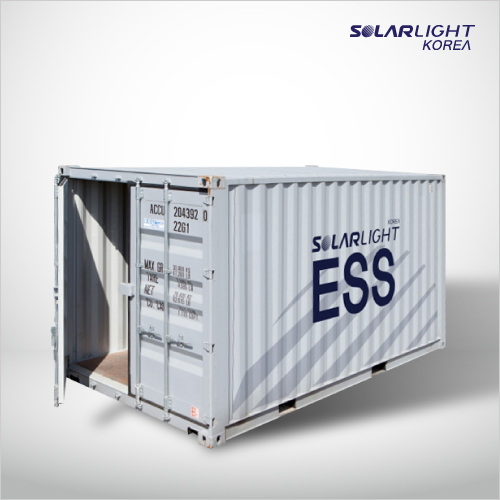
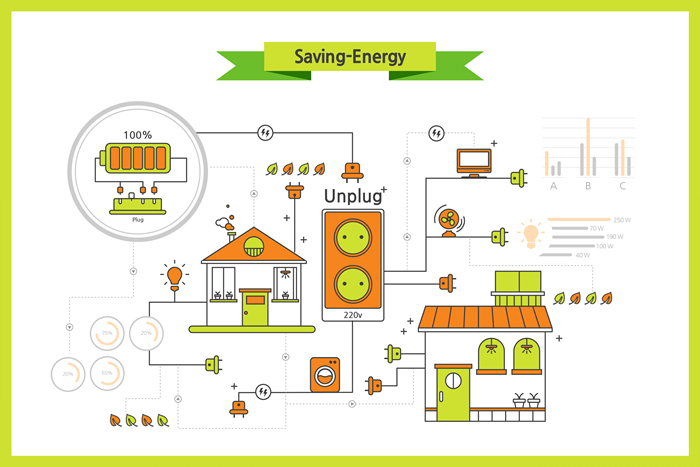
Overview
An ESS (Energy Storage System) is a facility that stores electricity so it can be used when needed.
According to SolarLight’s research institute, the most essential function for using ESS is the ability to store surplus electricity at any time, be able to use it anytime and anywhere, be portable, convenient, and easy.
Above all, the most important point is that it must be economical.
Differences from Conventional ESS Systems
01Easy and Economical
All SolarLight products are made with export in mind.
Due to the nature of export products, A/S can incur enormous costs.
We made it as easy as possible and minimized the possibility of after-sales service
02Distributed Power Control Method
SolarLight’s ESS adopts a parallel operation method that divides the capacity into fixed portions.
Even if one part fails, it does not affect others, ensuring stable output and facilitating future maintenance through distributed power control.
03Flexible Production Methods
SolarLight’s ESS is custom-made.
You can select the capacity, decide the type of battery according to your application, and manufacture it as a portable device as needed.
Structure
01PCS (Parallel Operation Control Method)
02Inverter (Sine wave output)
03Battery (Industrial Battery, Deep Cycle Battery, Lithium-Ion Battery) – Selection
04VENUS (Solar Power Control System + Generator Control System + Automatic Transfer System)
05Cables and miscellaneous materials (solar sockets, solar cables, parallel sockets and parallel cables,
battery cables)
06Outer Cabinet (Indoor, Outdoor, Dustproof Type)
Case Study of ESS Implementation Using Solar Power
(A Smart Grid example that prioritizes solar-generated electricity and uses grid electricity for shortages)
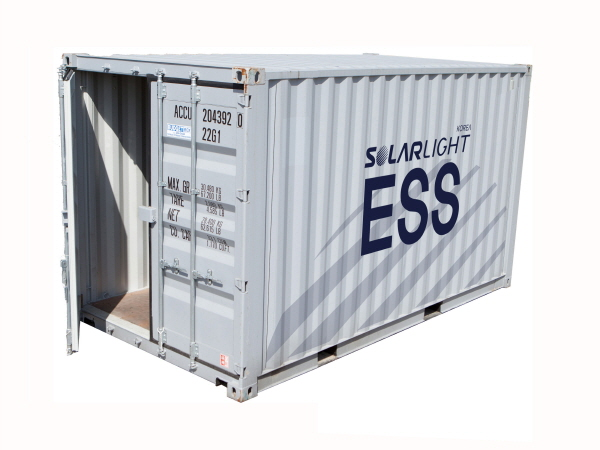
Uses and Target Audience
Areas without power supply (regardless of island regions with generators) Power interface, bidirectional converter, storage battery, and conversion switch AC inputs are integrated and output, resulting in very low losses.
01Areas without power supply (regardless of island regions with generators)
02Regions with Unstable Power Supply (Regions such as Southeast Asia Where Power Outages Occur Frequently)
03Places requiring stable power supply (banks, computer rooms, etc.)
04Places where power supply is needed during disasters at practical costs (such as fire prevention
facilities)
05Power plants expecting a weighting increase in renewable energy
Notes
When using ESS as a standalone solar system, it is a system that stores and uses the electricity generated by solar cells in batteries, requiring precise design. Basically, the design is based on daily power consumption and hourly power consumption. If the capacity is set too high due to incorrect design, it can increase costs, and if insufficient, it can result in battery discharge that shortens the lifespan of materials.
Therefore, it is advisable to have an accurate design through consultation before proceeding.
Precautions for Export Preparation
Batteries may be treated as hazardous materials, and in some cases, you may need to prepare the necessary documents; in some cases, air transport is prohibited for certain ESS.
Please check the relevant regulations in advance before proceeding.